
Healing, Wholeness & Heritage
February 2026 | Black History Month Edition
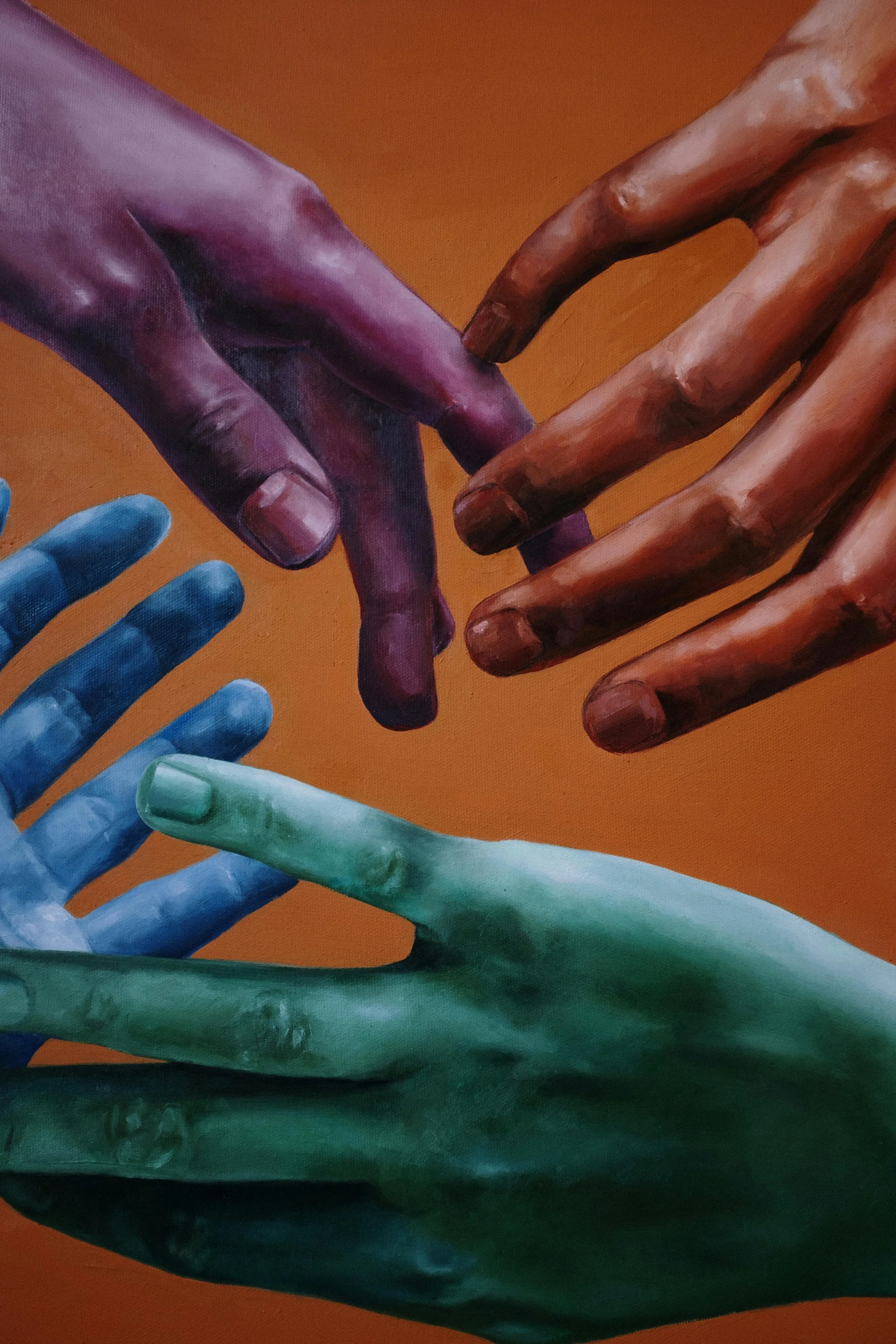
February is a month rich with meaning. It’s the time we celebrate Black History Month, honoring the resilience, brilliance, and contributions of Black people across the globe. It’s also the month when Ramadan begins (starting February 19th this year), inviting our Muslim brothers and sisters into a sacred season of fasting, prayer, and spiritual renewal. And for those in Pagan and Wiccan traditions, Imbolc (February 2nd) marks the stirring of new life and the return of the light.
What ties all of these observances together? At their core, they are all about restoration, of body, mind, spirit, and community. This month, let’s explore what it means to heal holistically, drawing wisdom from the Black experience and from the spiritual rhythms that make February so unique.
What Black History Teaches Us About Wellness
Black history is, at its heart, a story of radical wellness, of people choosing to thrive despite extraordinary odds. From the healing traditions of West Africa brought to the diaspora, to the community kitchens and church pews that fed bodies and souls, Black culture has always understood that health is more than the absence of disease.
Dr. Daniel Hale Williams, the first surgeon to successfully perform open-heart surgery in 1893, is just one example of the Black medical pioneers who fought to make healthcare accessible for everyone. Henrietta Lacks, whose cells were used without consent in the 1950s, sparked a global conversation about medical ethics and racial equity in health care; one we are still having today.
This month, as we celebrate Black excellence, let’s also acknowledge the ongoing reality: Black Americans face disproportionate rates of hypertension, diabetes, and maternal mortality, largely driven by systemic inequity and chronic stress. Recognizing this isn’t meant to discourage; it’s meant to motivate each of us to take our wellness seriously, advocate for equitable care, and support the communities doing that work.
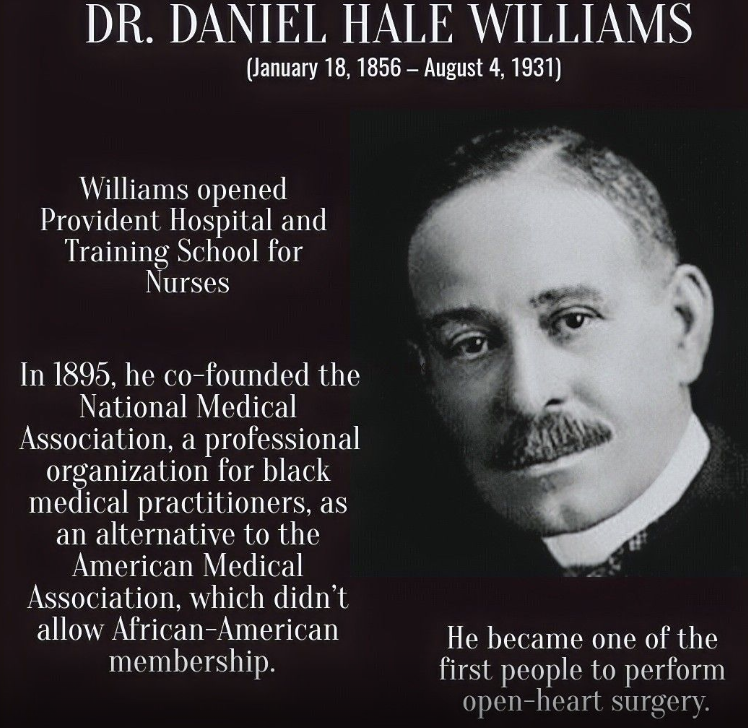
Dr. Daniel Hale Williams
Wellness free bee; This month, consider seeking out a Black-owned wellness business, a therapist, nutritionist, herbalist, or fitness coach. Supporting these professionals is both a form of self-care and community care.
The Sacred Practice of Fasting: Ramadan & Wellness
On February 19th, Muslims around the world will begin the holy month of Ramadan, a 29–30 day period of fasting from dawn to sunset, accompanied by intensified prayer, reflection, and generosity.
Far from simply abstaining from food, Ramadan is a masterclass in **intentional living**. Modern research has shown that intermittent fasting, the pattern most closely resembling the Ramadan fast can have meaningful benefits for metabolic health, including improved insulin sensitivity and reduced inflammation. But for Muslims, the deeper gift of Ramadan is spiritual: it is a chance to reset habits, cultivate gratitude, and strengthen one’s connection to God and community.
The breaking of the fast each evening, called Iftar, is a deeply communal experience. a reminder that wellness is never just individual. Tables overflow with dates, soups, and shared laughter. Neighbors feed neighbors. Strangers become family.
Wellness Inspiration from Ramadan
Whether you observe Ramadan or not, this season invites all of us to consider what we’re consuming, not just food, but content, conversations, and habits. What might you “fast” from this month that would restore your mental or spiritual health? Social media? Negative self-talk? Mindless scrolling?
The Wisdom of Rest and Renewal
In Pagan and Wiccan traditions, Imbolc (celebrated on February 2nd) honors the midpoint between the winter solstice and spring equinox. It’s a time to acknowledge that even in the coldest, darkest season, new life is quietly stirring beneath the surface.
Imbolc is sacred to the goddess Brigid, patroness of healing, poetry, and the hearth fire. In many traditions, it’s a time for cleansing the home, lighting candles, and setting intentions for the season ahead.
From a wellness perspective, Imbolc carries a profound lesson: rest is not laziness, it is preparation. Just as seeds need time in the dark soil before they can bloom, our bodies and minds need periods of stillness to renew themselves.
Wellness Practice
ake time this month to tend your “inner hearth.” What does your body need right now, more sleep, more warmth, more stillness? Honor that need without guilt. Spring will come. You don’t have to rush.
Practical Wellness Habits for February
Drawing from the themes of this rich month, here are some wellness practices to carry you through February:
Nourish Your Body with Ancestral Foods
Explore the deeply nutritious foods of African and African American culinary heritage — collard greens packed with vitamins K and C, black-eyed peas rich in fiber and protein, sweet potatoes loaded with beta-carotene. These aren’t just “soul food” — they’re healing food.
Move with Joy
Black fitness culture has given the world stepping, line dancing, jumping double-dutch, and now viral dance workouts. Find a form of movement that feels celebratory, not punishing. Exercise should be a gift you give your body, not a punishment.
Tend to Your Mental Health
The stigma around mental health in many communities — Black, Muslim, and otherwise — is real. This month, let’s normalize the conversation. Therapy, journaling, prayer, community support, and time in nature are all valid tools for emotional wellbeing.
Practice Intentional Rest
In a culture that glorifies busyness, choosing to rest is a radical act. Whether inspired by Imbolc’s quietude or the evening stillness of Ramadan’s sunset, build rest into your February.
Drink More Water
Simple, unglamorous, and endlessly powerful. If you’re fasting during Ramadan, be especially mindful of hydrating during non-fasting hours. Your body will thank you.

A Community Commitment to Health
One of the most beautiful threads connecting Black History Month, Ramadan, and Imbolc is this: health is communal. We were never meant to heal alone.
The Black church has historically served as a community health hub. The Muslim practice of Zakat (charitable giving) and feeding others at Iftar reflects a deep ethic of care. The Imbolc tradition of tending hearth and home speaks to the healing power of sanctuary and belonging.
This February, ask yourself: Who in your community needs support? Who can you check in on, share a meal with, or simply sit beside in solidarity?
February reminds us that wellness is not a destination — it is a practice, a prayer, a daily act of devotion to ourselves and each other. In the legacy of Black healers and pioneers, in the spiritual discipline of Ramadan, and in the quiet hope of Imbolc, we find permission to care for ourselves fully.
Honor your history. Honor your body. Honor the season.
Happy Black History Month. Ramadan Mubarak. Blessed Imbolc.
