
How You Think Will Be How You Feel..
How You Think
Will Be How
You Feel
A calm, practical guide to sheltering in place safely — without losing your peace in the process.
"Your environment shapes your mind. Your mind shapes your experience."
When a shelter-in-place order comes, most people panic about what's outside. But the real work happens on the inside — inside your home and inside your head. This guide is about both. Because being physically safe means nothing if your mind is in chaos. And having a calm mind without a safe space leaves you exposed. You need both. Let's build both.
What Shelter-in-Place Actually Means
Shelter-in-place is an emergency directive that tells you to stay where you are — your home, your office, wherever you are — and seal yourself off from the outside environment. It can be issued for a range of situations: severe weather, a chemical or hazardous material release, civil unrest, or a public health emergency.
The instinct is to panic. To run. To go somewhere. But the directive exists for a reason: you are safer staying put than moving through the unknown. The first step isn't grabbing your bag. It's slowing your breathing and trusting the process.
Here's what you need to know and do — practically and mentally.
Securing Your Space
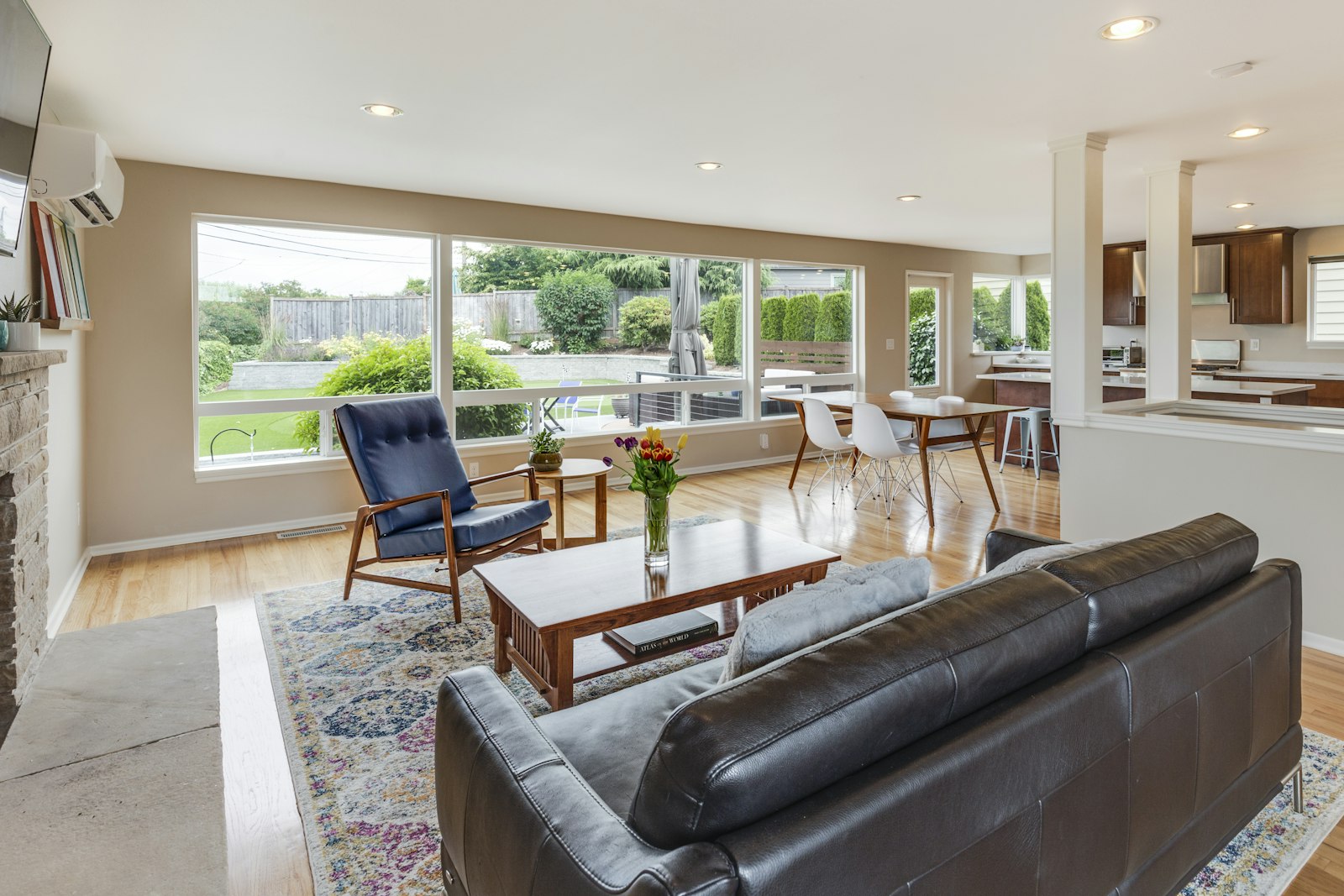
Your home is your first layer of protection. The goal is to create a sealed, calm, and functional environment that can sustain you for at least 72 hours — longer if possible.
Close and seal all windows and doors
Use towels, tape, or plastic sheeting if there is a hazardous air event. Keep all exterior doors locked. Turn off HVAC systems that pull air from outside.
Identify your safe room
Choose an interior room with few or no windows. During severe weather, go low — basement or ground floor. During air hazards, go to an upper floor if possible.
Stay informed — but limit your intake
Keep a battery-powered or hand-crank radio. Check official sources (FEMA, local emergency management) every 30–60 minutes. Constant news monitoring feeds anxiety, not safety.
Account for everyone in your home
Know where every person and pet is. Designate a meeting point and a point of contact outside your immediate area. Text before you call — networks get congested during emergencies.
Conserve your resources
Ration water and food. Keep phones charged. Unplug non-essential electronics. Fill bathtubs with water as a backup water source if you have advance warning.
Your Shelter-in-Place Kit
Have these ready before you ever need them
"Being physically safe means nothing if your mind is in chaos. You need both — a secure space and a steady mind." — Pure Mindset
How You Think Will Be How You Feel
Here's the truth nobody says during an emergency: your thoughts will either protect you or destroy you from the inside out.
Fear is normal. Panic is a choice. When the adrenaline hits, your brain goes into survival mode — and survival mode is not a thinking mode. It's a reacting mode. The goal is to interrupt the spiral before it starts.
The thoughts you allow in that space will determine whether you come out of this stronger or more broken than before. You get to choose what you feed your mind right now.
Protecting Your Mind When the World Feels Unsafe
These aren't just feel-good suggestions. These are practiced, evidence-based tools that work when everything around you is uncertain.
Control the Controllables
Make a list of what you CAN control right now. Your space. Your breathing. What you consume. Your routine. Focus only goes there. Everything else is noise.
Create a Routine Immediately
Structure is the antidote to anxiety. Wake time, meals, movement, check-ins. Your brain craves predictability. Give it one. Even a simple schedule signals safety to your nervous system.
Limit the News Loop
Check official sources twice a day — not constantly. The 24-hour news cycle is not designed to calm you. It is designed to keep you watching. Be intentional about what enters your mind.
Move Your Body Daily
Anxiety lives in stillness. Stretch. Do pushups. Dance in your kitchen. A body in motion releases the cortisol that confinement builds up. You don't need a gym — you need movement.
Stay Connected to People
Isolation amplifies fear. Call someone every day. Text a friend. Check in on a neighbor. Human connection is not a luxury during a crisis — it is a survival tool.
Write It Down
Journaling during uncertainty is not soft — it is strategic. Getting your thoughts out of your head and onto paper creates distance between you and the fear. You become the observer, not the victim.
Keeping Others Calm Starts With You
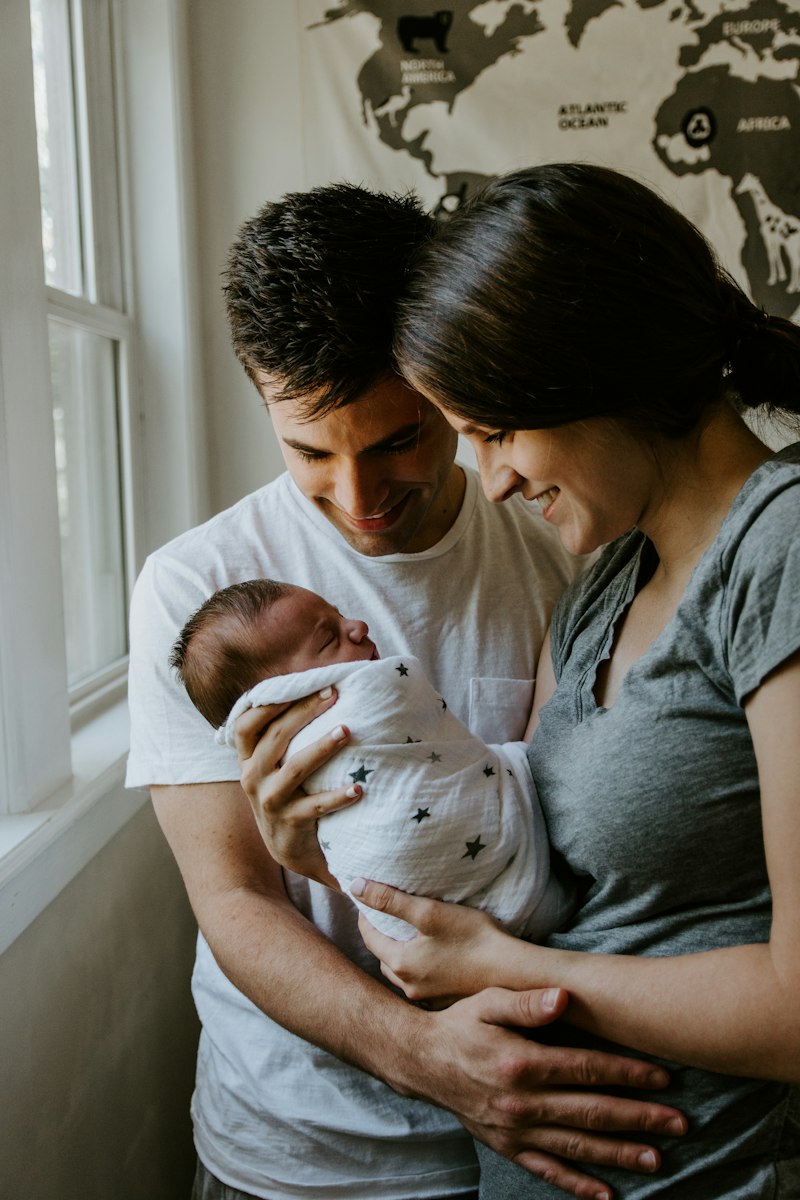
Children feel what you project. If you are panicked, they are panicked. If you are calm, they have permission to be calm too. You set the emotional temperature of your home.
Be honest with kids in age-appropriate ways. Don't lie — they sense it. Say: "We're staying home today to be safe. We've got everything we need right here."
Give everyone a role. Kids feel safer when they have a job — filling water bottles, checking the flashlight, organizing snacks. Purpose reduces fear at every age.
And check in on elderly neighbors or family members who may be alone. A shelter-in-place is hardest for those in isolation with no support system. Be that system.
"Fear is normal. Panic is a choice. The thoughts you allow in that space will determine whether you come out of this stronger." — Pure Mindset
When It's Over — Be Gentle With Yourself
When the shelter-in-place lifts, the adrenaline drops. You may feel exhausted, emotional, or even strangely flat. That is your nervous system coming down from high alert. It is completely normal.
Don't rush back to your normal pace. Give yourself at least 24–48 hours to reacclimate. Go outside slowly. Reconnect with your community. Talk about what you experienced. Emotions that don't get processed get stored — and stored emotions come out sideways later.
You made it through. That matters. Take a moment to acknowledge that before you move on.
You Are More Prepared
Than You Think
The goal was never to be fearless. The goal is to be ready — physically, practically, and mentally. When you know what to do and you trust yourself to do it, calm becomes possible. And calm is everything.
