
Freedom is more than a moment—it’s a practice.
2026 Marks The 100th Anniversary Of Black History Month
February doesn’t just “arrive.” It pulls something up in people. Memory. Grief. Pride. Anger. Gratitude. The quiet exhaustion of having to explain what should already be understood. The deep joy of seeing yourself reflected in stories that refuse to be erased. And if you’re being honest, this month can feel like two things at once: a celebration of how far we’ve come—and a reminder of how hard people had to fight just to be recognized.

That’s why I’m not treating February like a headline or a history lesson. I’m treating it like a mirror. Because Black History Month and National Freedom Day aren’t only about what happened back then—they’re also about what’s happening in us right now. What we’re still carrying. What we’re still unlearning. And what it looks like to practice freedom in real life—through boundaries, healing, community, and the decision to keep moving forward with intention.
Where it began
Where it began February arrives with two powerful reminders: Black History Month (all month) and National Freedom Day (February 1). Black History Month exists because Black contributions have too often been erased, minimized, or pushed to the margins. What we celebrate today was built intentionally—through the work of Carter G. Woodson and the movement he launched to ensure Black history would be studied, taught, and honored as essential—not optional. National Freedom Day commemorates February 1, 1865, when Abraham Lincoln signed the congressional resolution that proposed the Thirteenth Amendment to the United States Constitution. These aren’t just dates. They’re reminders of what people had to demand, defend, and build—often while the world tried to pretend their stories didn’t matter. 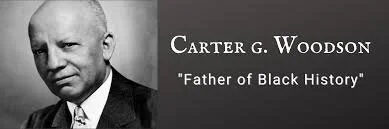
Why February matters
Happy 100th Birthday.
In 2026, we mark 100 years since the first “Negro History Week” was launched in 1926—a single week of learning and recognition that expanded over time into the month-long observance of Black history we now know today.
The architect of this movement was Dr. Woodson: historian, educator, and the second Black American to earn a Ph.D. from Harvard University, following W. E. B. Du Bois. As the son of formerly enslaved parents, he understood something deeply: when you deny people their history, you deny their humanity.
He wrote that those with no record of what their forebears accomplished lose the inspiration that comes from biography and history. So he created a structure for remembrance—because remembrance fuels dignity, pride, and progress.
And he anchored it in February to align with the birthdays of Frederick Douglass and Lincoln—figures he viewed as symbolically tied to African American freedom.
What freedom looks like now
Freedom didn’t stop being relevant when the calendar moved on. We still live in a world where people fight to be seen, heard, respected, and safe.
So when I think about freedom today, I’m not only thinking about law or history—I’m thinking about life.
Freedom looks like:
not shrinking to make other people comfortable
not carrying pressure that was never yours to hold
not performing strength when you’re actually exhausted
having the language to advocate for yourself
having space to breathe, rest, and heal without guilt
Freedom is not just what we’re released from.
It’s what we finally allow ourselves to build toward.
A “Freedom Practice” you can do this week (5–10 minutes)
Try this mini exercise—journaling is great, but you can also do it in your notes app.Step 1: Name what’s not free right now.
What feels heavy, stuck, performative, or fear-driven?Step 2: Identify the cost.
What is that pattern stealing from you—sleep, confidence, peace, focus, connection?Step 3: Choose one release + one rebuild.
Release: one boundary, one “no,” one honest conversation, one habit to reduceRebuild: one supportive routine, one new standard, one weekly commitment
Example:Release: “I’m not overexplaining anymore.”Rebuild: “I’ll ask for what I need the first time.”Reflection prompts
Where in my life am I performing instead of living?What would “freedom” look like in my relationships?What belief did I inherit that I’m ready to outgrow?Where do I need rest—not as a reward, but as maintenance?What’s one way I can honor Black history through action, not aesthetics?
A respectful note (because this matters)
If you’re celebrating Black History Month, I hope it’s more than quotes and reposts. Buy from Black-owned businesses. Read Black authors. Donate time or money where you can. Protect Black stories—especially when they’re challenged or minimized. And if you’re Black and reading this: you don’t owe anyone “strength” as a personality trait. You deserve rest, softness, joy, and support—without having to earn it.If you want support (real support, not “just be positive”)
If February has you reflecting, I’d love to help you turn that reflection into a plan.Two options:Book a free discovery call (we’ll map what’s stuck + what needs structure)Join my New IG community + tools space for ongoing support and growth practices
Because freedom isn’t just history.It’s what you choose next.